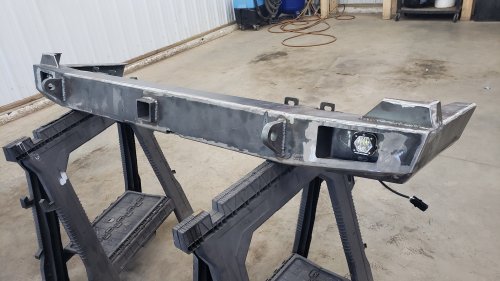
I’ve been driving my Jeep around for almost 6 months now with no rear bumper. I know, I know, not the safest choice but I don’t drive far. Why? Because 6 months ago I wrapped up an extensive rust repair project on my XJ where I cut out and replaced the entire/images/thumbnail.jpg" rear floor along with the unibody frame rails and crossmember.. Read more...
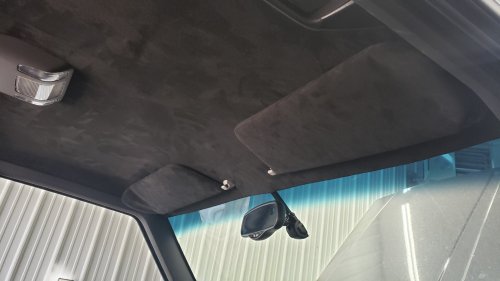
No more saggy headliner for my XJ Read more...
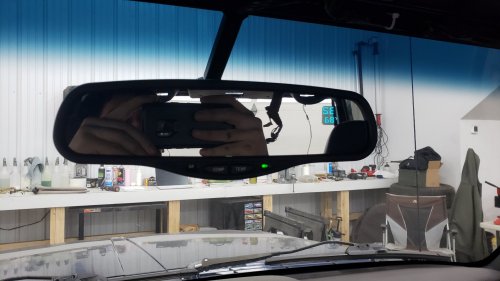
It’s hard to explain, but driving a car at night that has an auto dimming rear view mirror is a real treat. It’s one of those things that you’ll never notice when it’s working, but as soon as you don’t have it you’ll notice its absence immediately. Read more...

Everyone knows good code is easy to maintain, but that also means anyone can maintain it. That’s no bueno for the individual developer who wants a little job security. Writing overly complex code that nobody else can maintain let alone read, will ensure your company holds onto you, and will give you more bargaining power come raise time. Read more...
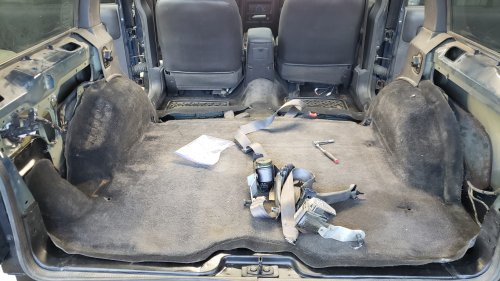
The epoxy primer I used on the underside of my repairs is some pretty good stuff, but I wanted just a hair more protection down there. And after all can you really say you did a rust repair job on your Jeep if bedliner wasn’t involved? Because of that I picked up some UPOL Raptor liner to spray. I bought the 4qt spray kit because I wanted some leftover bedliner to spray my new rear bumper later on but I’m getting ahead of myself. Read more...
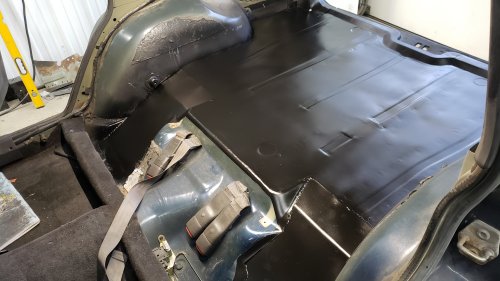
The least exciting portion of this project by far was closing up the two holes left in the floor directly below where the rear seat goes. I initally cut these holes in the floor way back at the beginning of the project because I needed to remove the original frame rails. Read more...
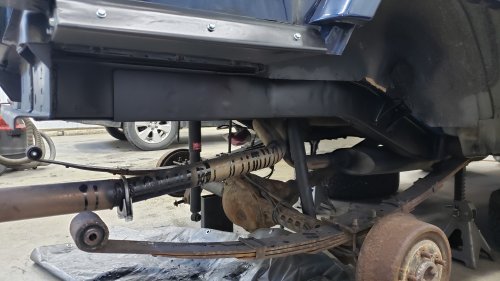
One of my biggest concerns about my custom fabricated frame rails was the vertical welds joining the frame sections. Vertical welds like those are a big no no when it comes to frames because they’re especially prone to failing. The common fix for this is to weld on fishplates that help brace the welds but since I’d have to weld on 6 fish plates on each frame rail I figured it’d be simpler to just go with frame stiffeners. Read more...
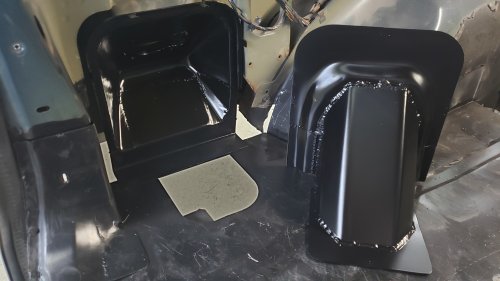
The Fuel Neck Housing I’ve been ignoring the gaping hole around where the fuel neck passes through the interior to travel down towards the gas tank. I had a feeling it’d be easy to fix so I never put much thought into it. I honestly didn’t bother to worry about it until I had the floor fully welded in and no choice but to finally address the issue. Read more...
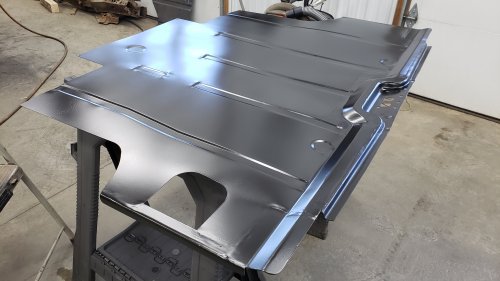
I didn’t want to try to salvage the original cargo area floor from my Jeep. It had rusted through in several spots, and I kinda chopped it up into several pieces because I only removed bits of it as a time when I was fabricating the new frame rails. Read more...
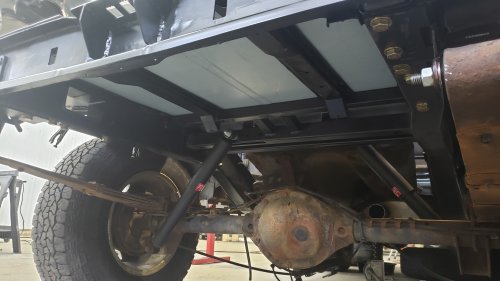
Directly below the floor of the XJ in the cargo area sits the gas tank. Tucked tight between the frame rails it rests a mere 1/2" from the floor. The mount for the gas tank is also what braces the floor in the cargo area. Read more...