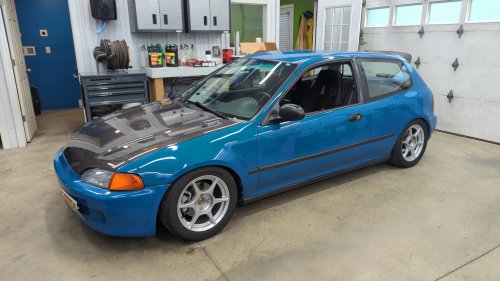
I ran into way too many problems with the Civic this year and ended my autocross season early due to getting burnt out from trying to keep up with everything. But even with all of that, I still had good times with friends and attended three track days which I had never done before so it wasn’t all terrible. Read more...
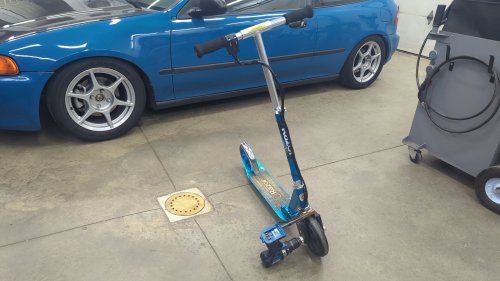
Back in July I had a silly idea that I should convert my push scooter to electric. I mainly use it for getting around at autocross events when I’m working the course and it does fine but with electric scooters being so cheap now I was jealous watching everyone else zipping around on them. Read more...
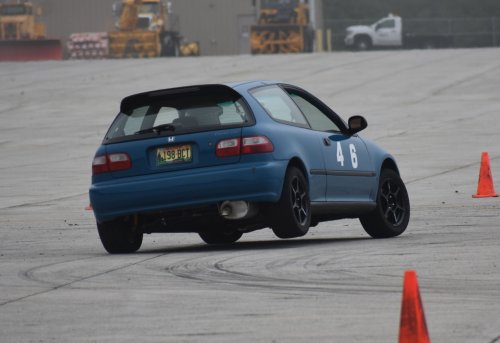
It’s 2026 and the Civic is midway through it’s third season of autocross. I run in XB (mainly due to the engine swap) and have been enjoying competing locally even though I’m currently getting my butt handed to me by three boosted Miatas. Read more...
My first XJ is no more. I feel bad that I was unable to finish it after all the time and effort I put into fixing the rust it had but the project stopped being enjoyable and I had to be realistic with myself that it was not going to be finished in a timely manner. Read more...
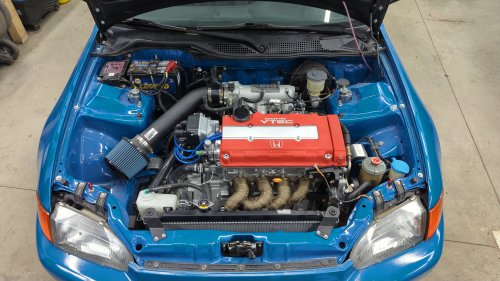
At this point the B20V should be ready to drop in. There’s no special steps required to install it in your car and it can be treated like any other B-series engine. If you’re installing your engine into a chassis that previously had a non-VTEC engine you’ll need to buy the connectors and run two extra wires to the ECU (A4, and D6) and there’s already guides available online for how to do that. Read more...
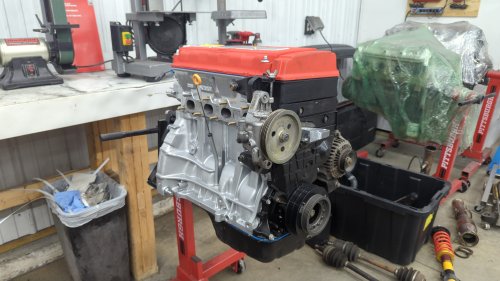
For engine accessories such as the power steering pump, alternator, or AC (I’m not using AC) you can mostly treat a B20V like a regular B20. The power steering pump is the only accessory that’ll require special attention since it mounts to both the head and the block instead of just the block like the alternator or AC compressor. Read more...
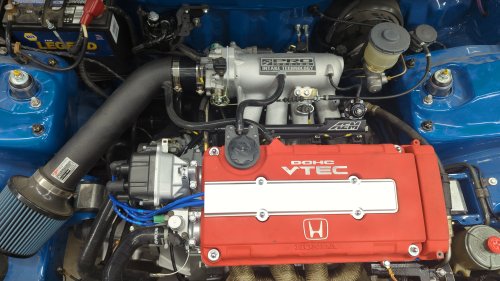
When you slap a VTEC head on a non-VTEC block you need to have a plan for how to allow crankcase pressure to escape while the engine is running. On a B20B (or LS) the PCV valve is located on the head but for the GSR or B16 engine the PCV valve is on the block and that’s a problem. Read more...
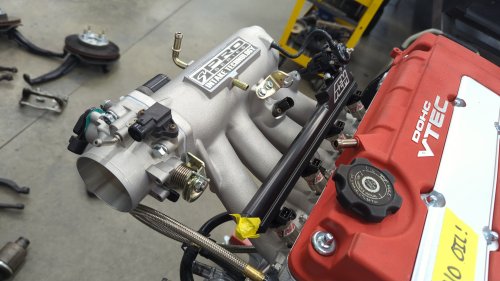
Installing an intake manifold and fuel rail / injectors on a b20v is the same as any other VTEC head. The main things to be mindful of are matching the intake manifold to the head (ex: GSR head requires a GSR intake) and that longer intake manifold studs may be necessary when using an aftermarket manifold, or thicker gasket. Read more...
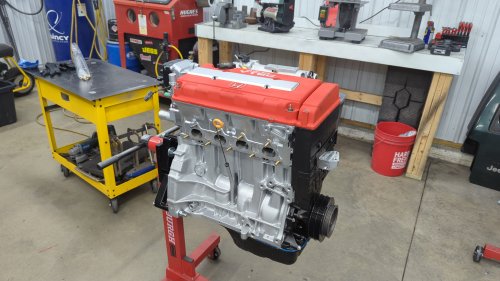
The B20V is on the homestretch at this point. The internals are all set and now its time to start spending more time on everything outside of the block. Read more...
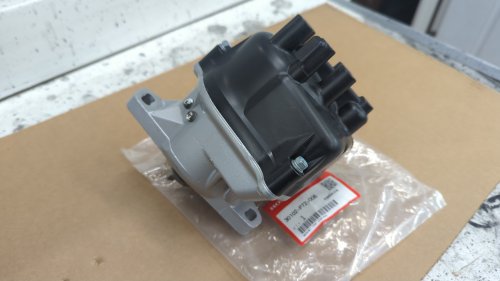
The TD-68U and TD-84U distributors found in OBD1 and OBD2 94-01 Integra GSRs are different in size than other B-Series distributors and require a special distributor cap. I’m currently building a B20V with a GSR head and had a lot of trouble sourcing the correct distributor cap because of this. There’s several aftermarket brands out there that claim to fit but the only cap that I’ve found to actually work is the OEM Honda 30102-P72-006 cap. Read more...
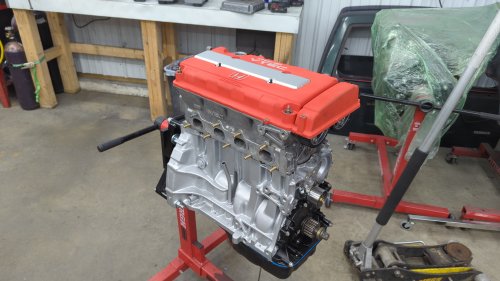
The block’s finally ready for the head to be torqued down and finished up now that all the clearances (v2v, p2v) checked out. Read more...
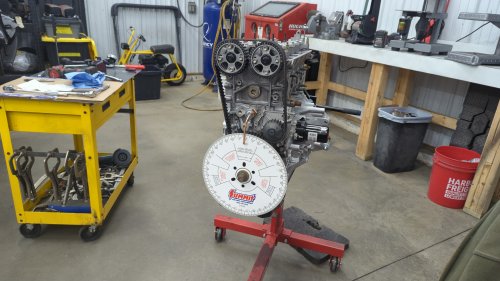
Building a custom engine is basically 80% measuring and double checking things. Every time you think your done measuring there’s another thing you need to check. I’ve got my GSR head and B20 block ready to go but they can’t be bolted together until I double check my valve to valve clearance, and piston to valve clearance. Read more...
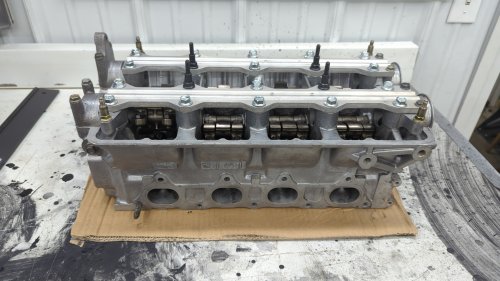
Let’s shift focus to the head now that the block’s ready to go. Like mentioned earlier, I’m using a GSR head and it’s fully stock but has had some work done to it by the previous owner including milling it flat. Read more...
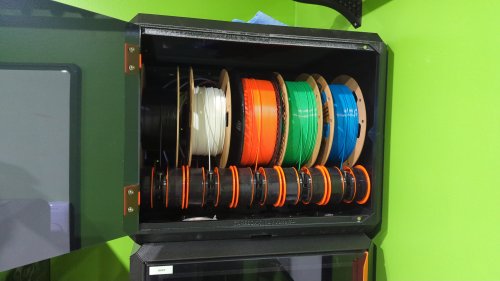
I run a CoreBoxx on one of my Prusa Core Ones and overall I’ve been happy with it but for awhile I kept running into issues with the MMU3 jamming when attempting to unload the filament at the end of a print. Read more...
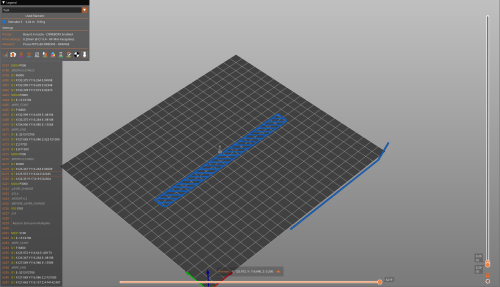
Having the ability to run a higher extrusion multiplier on the first layer can be handy for getting a better finish. I print a lot of PETG on the textured plate and a higher multiplier helps ensure the first layer flows out nice and doesn’t leave any tiny holes or outlines between lines. Read more...
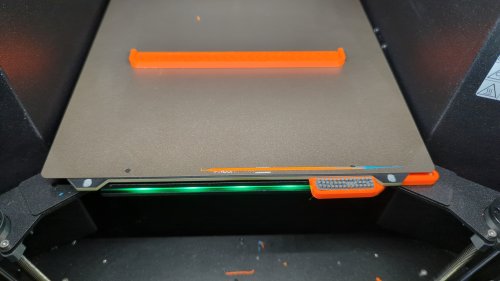
I primarily print single color prints but I have a MMU3 installed atop my Core One via a CoreBoxx because I like to use it as a color selector for keeping 5 of my most used filaments loaded. Read more...
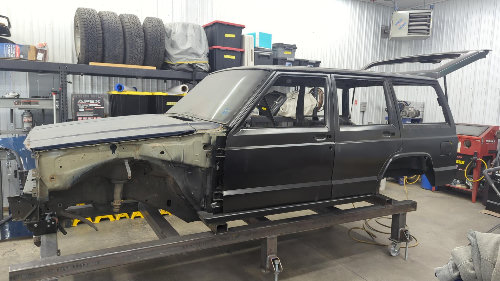
I’ve come to the realization that unless a body panel is covered in epoxy primer and in good enough shape that you could start on body filler then the metalwork isn’t actually done. The XJ is still a long ways away from being ready for filler but asking myself this question when working on each panel has been a handy litmus test for me to tell when it’s actually “done” (ok maybe a better phrase would be good enough). Read more...
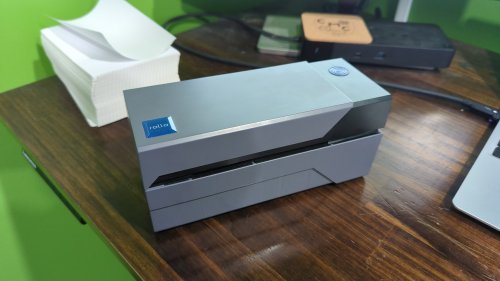
With my side gig of selling 3d printed parts slowly taking off, I figured it was time to pick up a thermal printer for making shipping labels. I was worried this be easier said than done since I run Pop!_OS on my laptop but as it turns out Rollo (one of the popular budget friendly printer manufacturers out there) has full linux support and even offers official drivers. Read more...
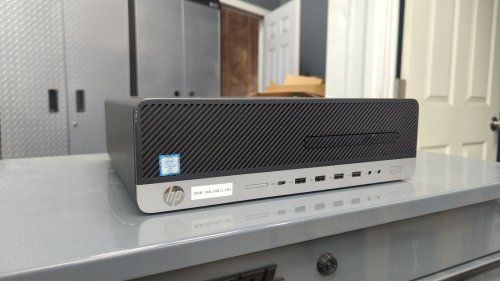
I’ve been having some fun dipping my toes into the realm of homelabbing and decided it was time to build a proper NAS. I used to back up my data between my two laptops using Syncthing and I felt fairly safe with that setup because if one laptop died I’d still have all the data on the other laptop. Read more...
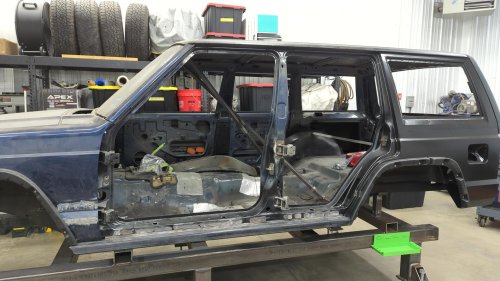
It’s taken much longer than anticipated but with the outer quarter panel welded in I was finally ready to install the 2x6 rocker. Back in May of 2024 I did most of the prep work so all I really had to do now was the final steps of welding in the 2x6. Read more...