How to Build a B20 VTEC Part 1: Planning Your Goals and Budget
Building a B20 VTEC (aka B20V, aka CRVTEC) isn’t that much more difficult than building a regular B20 but it can be daunting to figure out what you’ll need for parts with so many different options out there. You can do anything from slapping a VTEC head on a stock B20 block and sending it, or go all out with high comp pistons, big cams, and some headwork to boot.
I figured I’d write up a blog series on building my B20V and the reasoning behind all of the decisions to try and help out others with building their own B20V. A lot of this will be relevant to building a LSVTEC (non-vtec b18 block with vtec head) as well
Background
I had my first engine failure with my B20B and decided to make the best of it by resurrecting it as a B20V.
A rocker arm nut came loose while at an autocross event and had some fun bouncing around inside the block. What’s amusing was the day that it happened the car still ran fine but had a loud tick. I even drove it home 2 1/2 hours without issue.
I didn’t realize how severe the damage was until I dug into the block the following day.
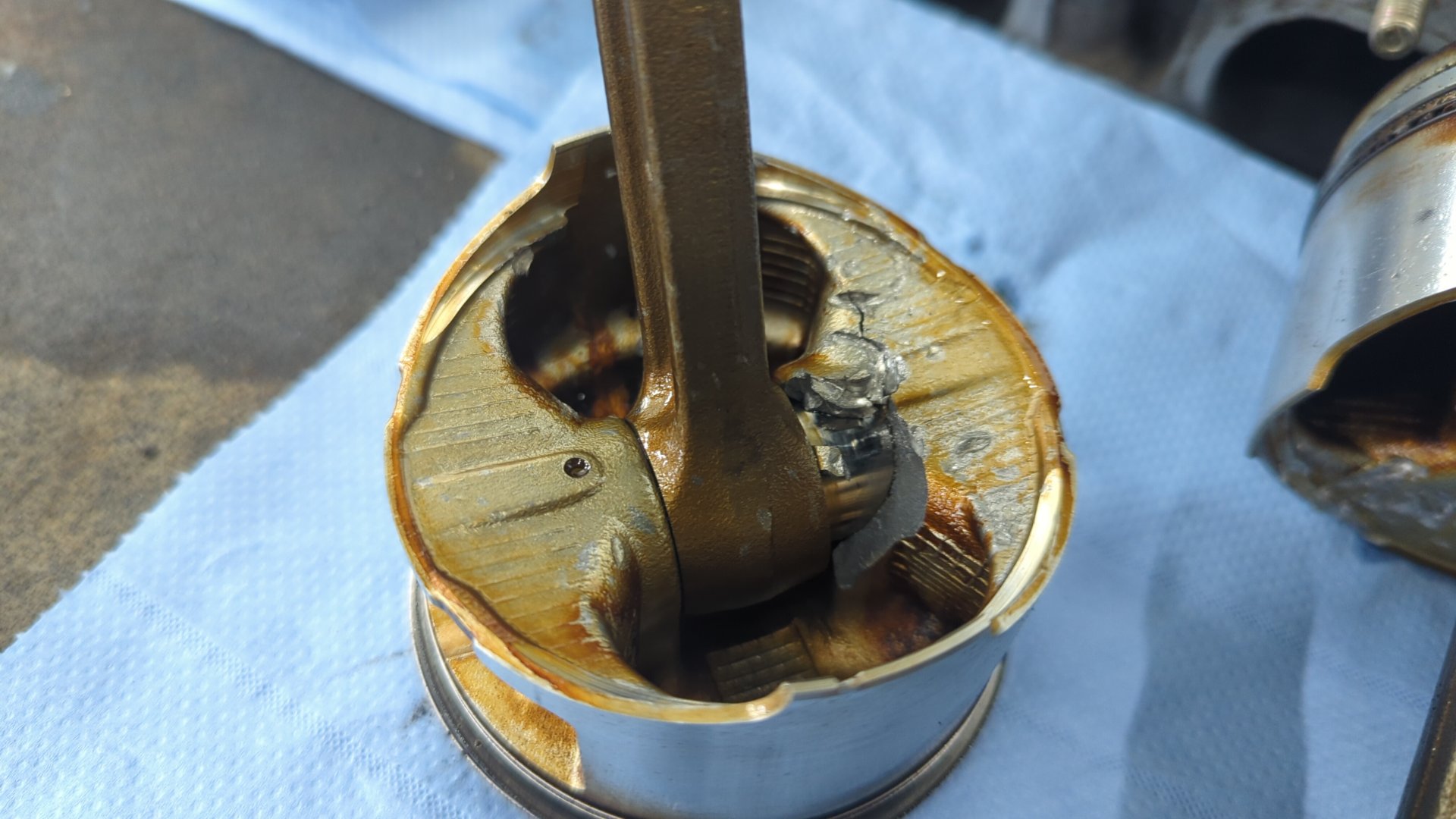
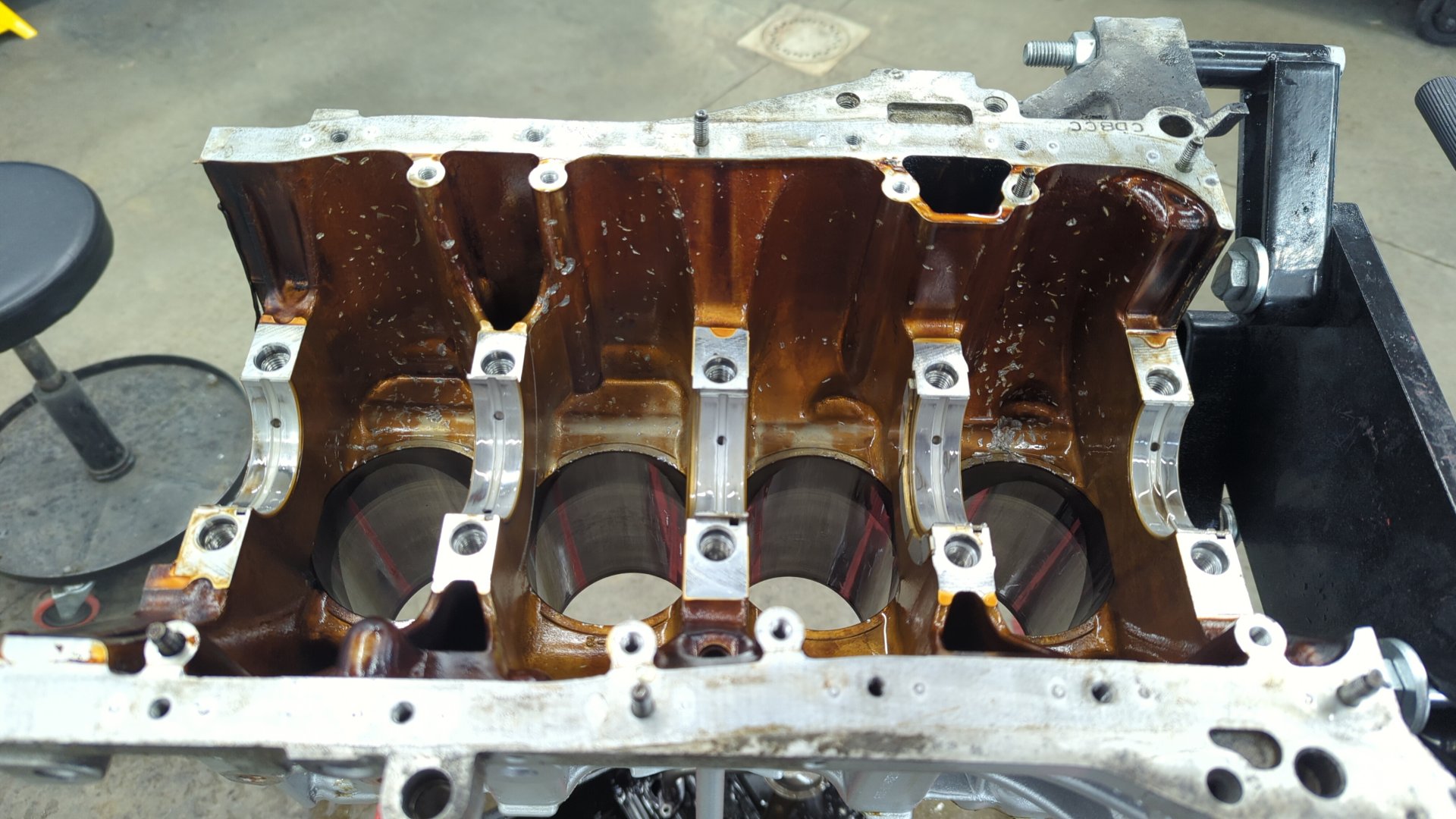
The dings in the block looked pretty bad but the cylinders escaped unscathed so it was still useable. The only parts that were beyond saving were two of the pistons. One piston was cracked and missing a chunk, and the other had some serious dings on it’s underside.
Setting Goals and Making Sure a B20V is a Good Choice
Before diving into building a B20V I spent a lot of time defining what my goals were, and thinking of the different ways I could accomplish them. For one, it’s really important to know what the end goals are so you can follow them as your north star, but secondly it’s important to know the path you’re taking can actually get you there.
My goals for the motor were:
- 200 - 225whp
- Maximize the area under the curve
- Street drivable
- $5,000 budget
Goal 1: 200 - 225WHP
It cost money to add hp and the faster you try to make a motor than it was stock the more expensive it’ll get. 200 - 225whp isn’t a crazy high power goal but it’s nearing the end of what a reasonable n/a B20V can do.
I say reasonable because it’s been proven you can push an n/a B20V past 250whp but at that point you’ve likely had to sacrifice some driveability and could have spent less with other build options (aka k-swap, boost, etc…) due to the prices of b-series parts nowadays.
I’m happy with 200 - 225whp though as I plan on using this motor for autocross / weekend fun and you don’t really need big numbers for that.
Goal 2: Low End Torque over High End Power
I prefer low end over high end because low end tends to be more helpful while out on the autocross course and also makes for a better experience while driving on the streets.
Goal 3: Street Drivable
The car it’s going in will be used for more than just racing so I needed the motor to have a normal idle, run on easy to acquire fuel, and be reasonable to drive in traffic. This ruled out things like no insane cams with a lopey idle, or no hard to source fuels like e85. (not available where I live)
Goal 4: $5,000 budget
While b series stuff isn’t cheap like it used to be and the price of other options like k-swaps has gone way down, a proper k-swap could easily run double my budget after accounting for all the extra bits I’d need to complete the swap.
The car I plan on swapping the B20V into is already prepped for a VTEC motor with a VTEC engine harness and a chipped P28 so staying b series let’s me put all of the budget into the motor vs accessories.
A B20V Meets All My Goals
Based on all of the above I’m fairly confident a mildly built B20V would be perfect for me.
200 - 225whp should (hopefully) be achievable if I bump up the compression, pop in some stage 2 cams along with upgraded valve springs so I can rev it out, and a good intake manifold / exhaust header to let the engine breath.